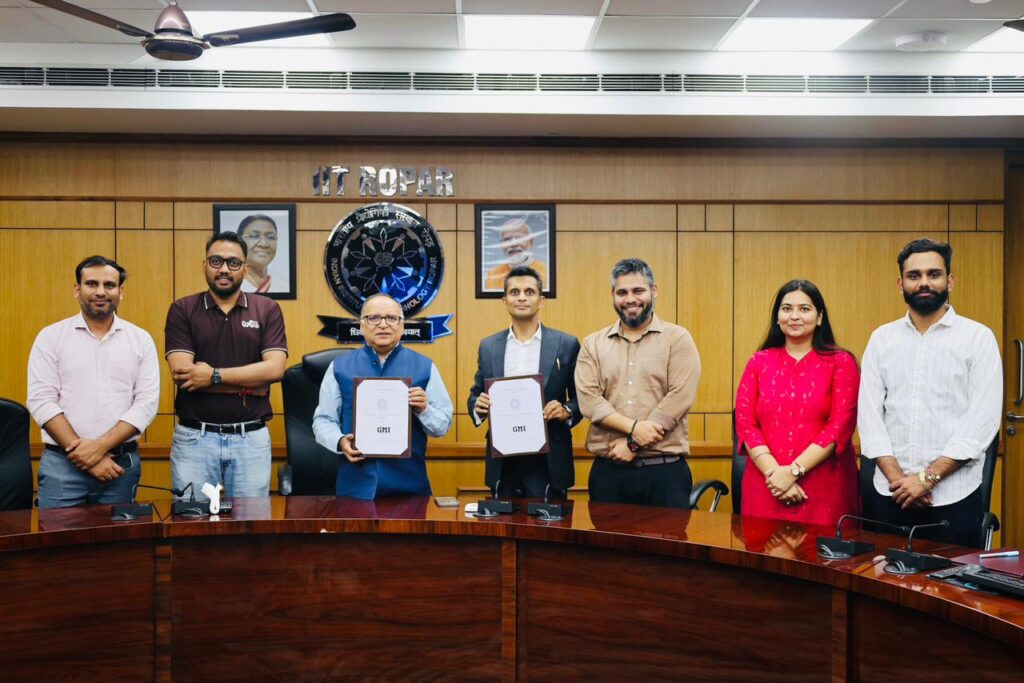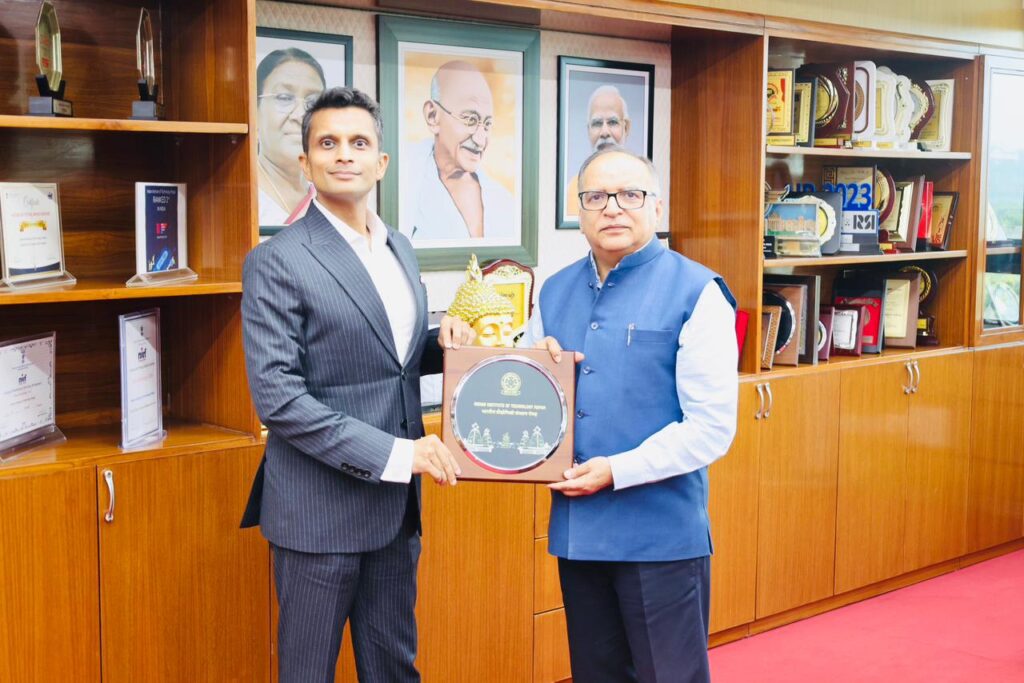
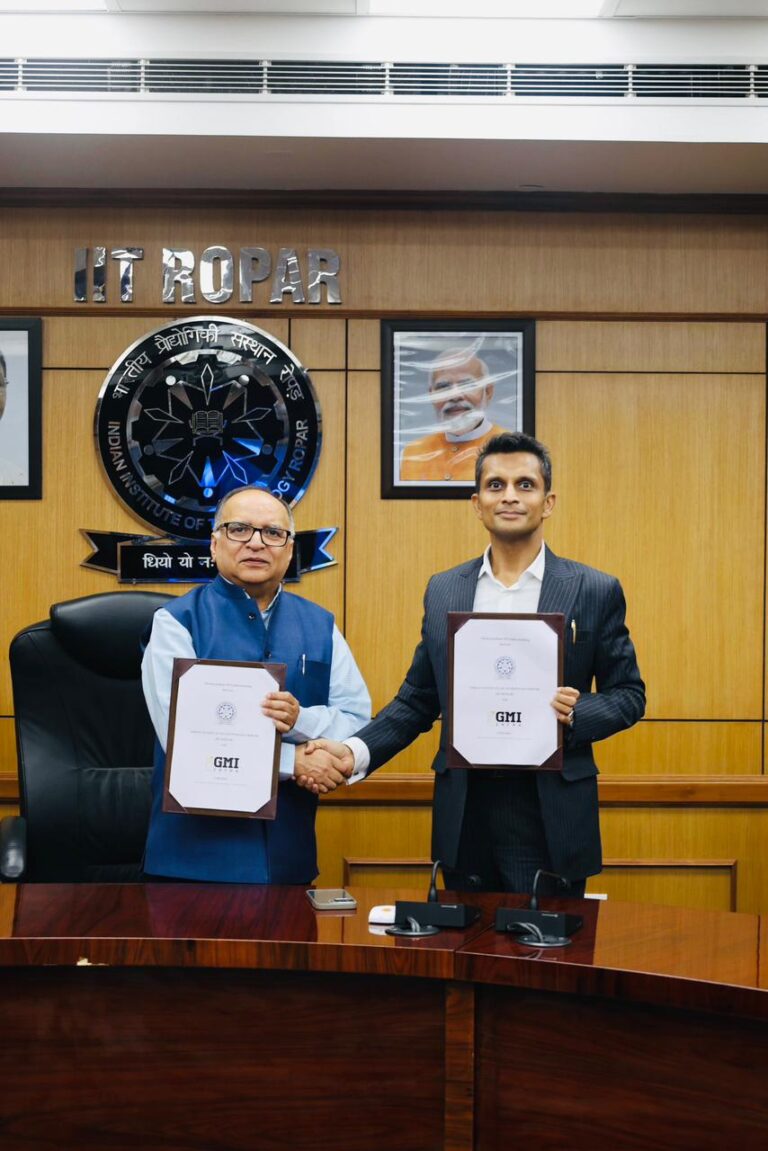
Infrastructure is undergoing a significant transformation as technology, sustainability, and research increasingly influence the way modern projects are planned, developed, and managed. Recognising the importance of innovation in shaping the future of the sector, GMI Infra has formalised a strategic collaboration with the prestigious Indian Institute of Technology Ropar (IIT Ropar) through a Memorandum of Understanding (MoU).
The collaboration represents an important milestone for GMI Infra and reflects the organisation’s commitment to exploring technology-driven and future-ready solutions for the infrastructure sector. Under the leadership and vision of Mohit Bansal, GMI Infra continues to focus on creating opportunities where industry expertise can connect with research, innovation, and emerging technologies.
Bridging Industry Challenges and Innovation
One of the key objectives of the GMI Infra and IIT Ropar collaboration is to bridge the gap between real-world industry challenges and cutting-edge research. Infrastructure and construction projects often face complex challenges related to efficiency, sustainability, technology adoption, planning, and monitoring.
Through this partnership, these challenges can be identified and connected with the expertise of IIT Ropar’s faculty members, researchers, students, startups, and innovators.
This industry-academia connection can create a stronger ecosystem for developing solutions that are both technically advanced and relevant to practical requirements.
Exploring Emerging Technologies
The partnership will explore several emerging technologies that have the potential to transform infrastructure and construction. These include Artificial Intelligence (AI), robotics, automation, smart infrastructure, digital construction, sustainability solutions, geospatial technologies, IoT, and digital monitoring.
The growing adoption of these technologies can help the infrastructure sector move towards smarter planning, improved efficiency, better monitoring, and more informed decision-making.
For GMI Infra, exploring these technologies is not simply about adopting new tools. The larger objective is to identify applications that can address genuine industry challenges and create measurable value.
From Research to Real-World Implementation
A significant aspect of the collaboration is its focus on converting promising ideas into practical outcomes. Research and innovative concepts can be taken through technical validation, pilot projects, and Proofs of Concept (PoCs).
Solutions that demonstrate strong potential may eventually progress towards strategic partnerships, procurement, investment, commercialisation, and large-scale implementation.
This approach creates a potential pathway for innovation to move beyond research and into real-world infrastructure applications.
Creating Opportunities for Young Talent
The collaboration also places importance on developing opportunities for students and emerging innovators. Student projects, internships, fellowships, faculty engagement, incubation, and mentoring can help create stronger connections between academic learning and industry requirements.
Such opportunities can enable students and researchers to work on practical infrastructure challenges while gaining valuable exposure to emerging technologies and real-world applications.
A Future Focused on Innovation
The GMI Infra and IIT Ropar collaboration brings together two important strengths: GMI Infra’s industry experience and IIT Ropar’s academic and research capabilities.
With Mohit Bansal’s focus on innovation and future-ready development, the partnership reflects a broader vision for an infrastructure sector that is more technology-driven, sustainable, and adaptable.
By nurturing collaboration between industry, academia, researchers, students, startups, and innovators, GMI Infra aims to contribute to solutions capable of creating meaningful real-world impact.
The partnership marks another step towards building an infrastructure ecosystem where innovation is not just explored, but transformed into practical solutions for the future.